


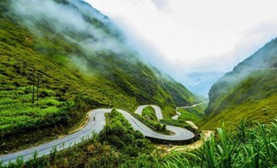
1.Ma Pi Leng Pass
The legendary “King of Passes” and one of the most breathtaking roads on the Ha Giang Loop.
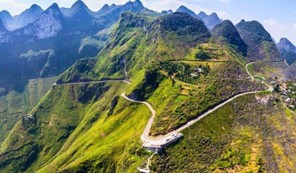
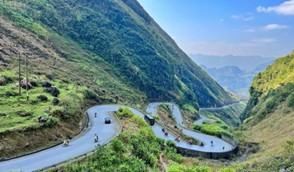
Ma Pi Leng Pass is one of the most famous attractions on the Ha Giang Loop.
Known for its dramatic cliffs, winding mountain roads and unforgettable views over the Nho Que River, it is often considered the highlight of the entire journey.
Located between Dong Van and Meo Vac, Ma Pi Leng Pass sits within the Dong Van Karst Plateau and offers some of the most spectacular scenery in northern Vietnam.
One of Vietnam’s Greatest Mountain Roads
Ma Pi Leng Pass stretches for around 20 kilometres through some of Ha Giang’s most dramatic mountain terrain.
The road climbs high above deep valleys, revealing limestone peaks, steep cliffs and sweeping views at every turn.
Why Visit Ma Pi Leng Pass?
Ma Pi Leng Pass combines legendary mountain roads, dramatic scenery and incredible views over the Nho Que River, making it one of the most important attractions on any Ha Giang Loop tour.
Best Time to Visit
Spring and summer bring rich green mountains and dramatic cloud formations, while autumn often provides clear skies and excellent visibility across the valleys.
Winter can bring mist and cooler air, giving the pass a moody and atmospheric feel.
Early morning and late afternoon are often the best times for photography, with softer light creating depth across the cliffs, winding road and river below.
2. Nho Que River
The emerald-green river flowing through one of the most spectacular canyons in Ha Giang.
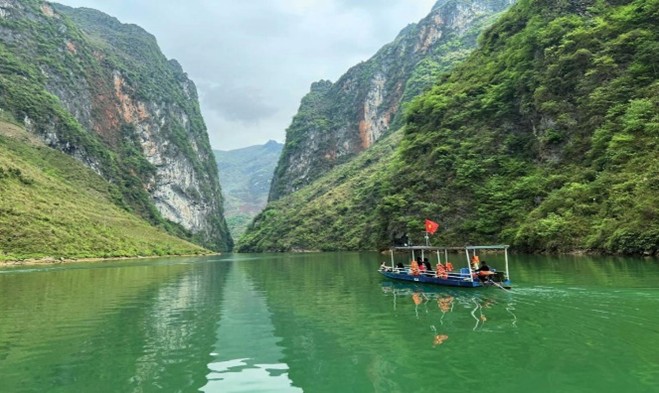
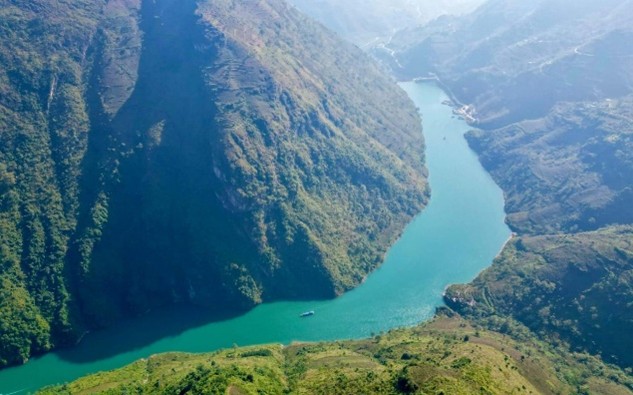
The Nho Que River is one of the most beautiful natural attractions on the Ha Giang Loop.
Known for its vivid emerald-green water, the river flows through dramatic mountain scenery below Ma Pi Leng Pass and through the famous Tu San Canyon.
For many travellers, seeing the Nho Que River from above and then experiencing it by boat is one of the biggest highlights of the journey.
A River Through the Mountains
The Nho Que River begins in Yunnan, China, before flowing through northern Vietnam. In Ha Giang, it carves its way between limestone mountains and steep canyon walls.
The views from Ma Pi Leng Pass are incredible, but travelling down towards the river gives visitors an entirely different perspective of the landscape.
Why Visit Nho Que River?
The Nho Que River offers one of the most dramatic contrasts on the loop: peaceful green water surrounded by towering cliffs and winding mountain roads.
Best Time to Visit
Clear weather provides the best views of the river from above, while boat trips are especially memorable when the water is calm.
Morning and afternoon light can make the river’s emerald colour appear even stronger.
The best photo opportunities include views from Ma Pi Leng Pass, boat trips through Tu San Canyon and the dramatic cliffs rising above the water.
3. M Bend Viewpoint
One of Ha Giang’s most recognisable road viewpoints and a favourite photo stop on the loop.
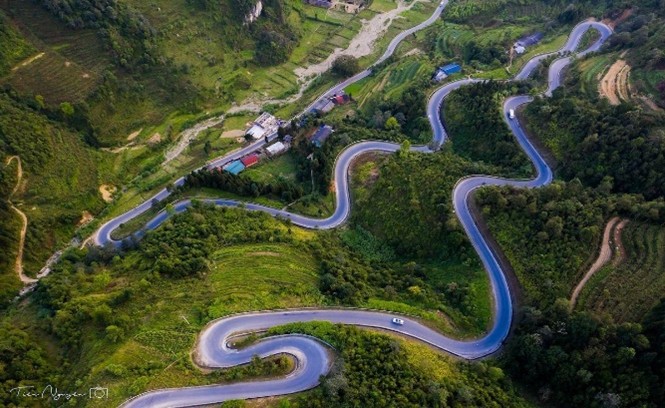
M Bend Viewpoint is a popular stop on the Ha Giang Loop, famous for the distinctive M-shaped road curving through the mountains.
Located along the route between Meo Vac and Mau Due, the viewpoint offers a clear look at the road zigzagging across the landscape.
It is a simple but memorable stop that perfectly captures the adventure and scale of travelling through Ha Giang.
A Classic Ha Giang Road View
The M-shaped road is one of those views that instantly feels connected to the Ha Giang Loop experience.
Travellers often stop here to take photographs, watch riders move through the bends and enjoy the surrounding mountain scenery.
Why Visit M Bend Viewpoint?
M Bend Viewpoint is quick to visit, easy to photograph and perfectly captures the winding-road character of the Ha Giang Loop.
Best Time to Visit
M Bend Viewpoint can be visited throughout the year. Clear days are best for wide landscape photographs, while misty conditions create a more atmospheric mountain scene.
The best photographs are taken from above the bend, showing the full shape of the road against the surrounding mountains.
4. Du Gia Waterfall
A refreshing waterfall near Du Gia village and one of the loop’s most peaceful natural stops.
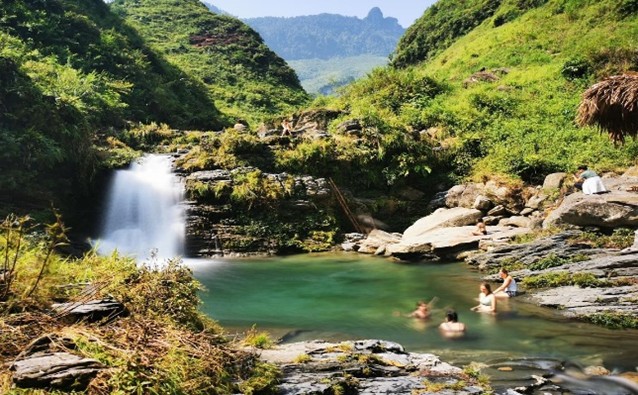
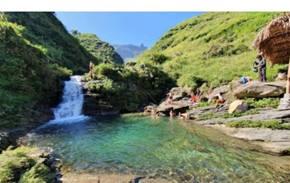
Du Gia Waterfall is a beautiful natural stop near Du Gia village and a favourite place for travellers to relax during the Ha Giang Loop.
The waterfall features a clear pool, surrounding cliffs and a peaceful mountain setting that feels completely different from the high passes and roadside viewpoints.
After days of riding through the mountains, Du Gia Waterfall offers a chance to cool off, swim and enjoy a slower moment during the journey.
A Refreshing Stop in the Mountains
The waterfall cascades into a clear natural pool surrounded by rocky cliffs and lush greenery.
It is especially popular with travellers who enjoy swimming, peaceful natural surroundings and quieter moments during their Ha Giang adventure.
Why Visit Du Gia Waterfall?
Du Gia Waterfall adds variety to the loop, giving travellers a peaceful nature stop and a refreshing break from long days of riding through the mountains.
Best Time to Visit
The warmer months are ideal for swimming, while the cooler months can still be beautiful for exploring the area and taking photographs.
Water flow may be stronger after heavy rain, so visitors should always check the conditions and take care around the rocks and pool.
The waterfall, clear pool, rocky cliffs and surrounding greenery all offer excellent photo opportunities, particularly when the light is soft.
5. Tham Ma Pass
One of the most scenic and recognisable mountain roads on the Ha Giang Loop.
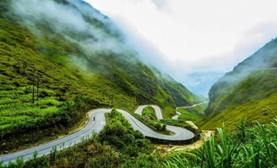
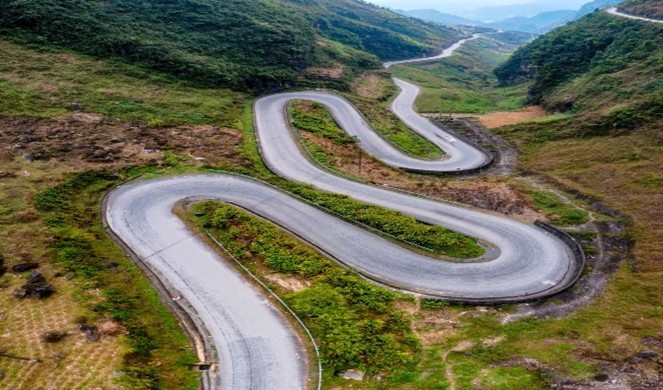
Tham Ma Pass is famous for its dramatic curves, steep climbs and breathtaking mountain views.
Located between Yen Minh and Dong Van, it is one of the first places where the Ha Giang Loop begins to feel truly unforgettable.
As the road climbs through the landscape, travellers are treated to open valleys, limestone peaks and sweeping views across northern Vietnam.
A Road Built for Adventure
Whether you are riding with an Easy Rider or travelling as part of a guided group, Tham Ma Pass captures the true feeling of the loop.
The name Tham Ma is often linked to the horses once used to carry goods through the region. Horses were tested on this steep road, and those able to complete the climb were considered strong enough for trading journeys.
Why Visit Tham Ma Pass?
Tham Ma Pass combines thrilling mountain roads, incredible viewpoints and a strong sense of local history, making it one of the must-see attractions on the Ha Giang Loop.
Best Time to Visit
Spring and early summer transform the surrounding mountains into vibrant shades of green, while autumn often brings clear skies and excellent visibility across the valleys below.
During winter, mist can drift through the pass and create a dramatic, atmospheric landscape.
Early morning is often the best time to visit, when the roads are quieter and the soft mountain light highlights the pass’s famous winding bends.
6. Quan Ba Heaven Gate
The gateway to Ha Giang’s mountain landscapes and one of the loop’s first unforgettable viewpoints.
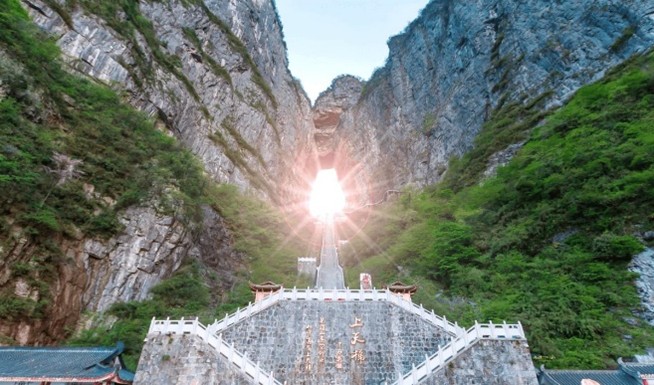
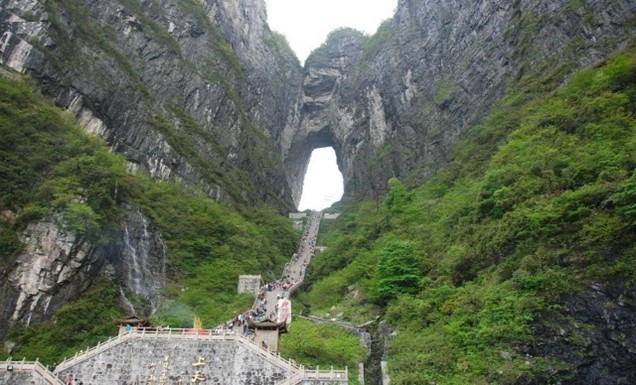
Quan Ba Heaven Gate is one of the most famous viewpoints on the Ha Giang Loop and serves as the gateway to the breathtaking Dong Van Karst Plateau UNESCO Global Geopark.
Located approximately 1,500 metres above sea level, this spectacular mountain pass offers panoramic views across Tam Son Valley and the iconic Fairy Twin Mountains.
For many travellers, Quan Ba Heaven Gate is one of the first places where the scale and beauty of Ha Giang truly come to life.
A View Unlike Any Other
From the viewpoint, visitors can enjoy sweeping views of limestone mountains, winding roads and lush green valleys stretching into the distance.
Changing weather often creates dramatic scenes, with clouds drifting through the mountains and sunlight moving across the valley below.
Why Visit Quan Ba Heaven Gate?
Quan Ba Heaven Gate combines incredible mountain scenery, local legend and unforgettable photo opportunities, making it one of the must-see attractions on the Ha Giang Loop.
Best Time to Visit
Quan Ba Heaven Gate can be visited throughout the year. Spring and summer bring fresh greenery and dramatic clouds, while autumn often offers clearer views across Tam Son Valley.
Winter can create atmospheric mist, making the surrounding mountains feel even more dramatic.
Early morning and late afternoon are ideal for photography, particularly when soft light highlights the Fairy Twin Mountains and the surrounding valley.
7. Co Tien Twin Mountains
The famous Fairy Twin Mountains and one of Quan Ba’s most recognisable natural landmarks.
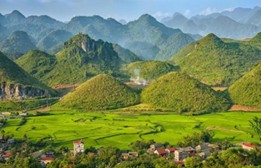
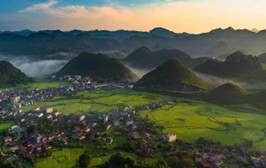
Co Tien Twin Mountains, also known as the Fairy Twin Mountains, are among the most recognisable natural landmarks in Ha Giang.
Located in Quan Ba, these distinctive rounded hills sit within the valley and are most commonly viewed from Quan Ba Heaven Gate.
For many travellers exploring the Ha Giang Loop, this is one of the first iconic sights they encounter after leaving Ha Giang City.
A Symbol of Quan Ba
The Fairy Twin Mountains are famous for their distinctive shape and the way they rise naturally from the surrounding valley floor.
From Quan Ba Heaven Gate, visitors can enjoy a panoramic view across Tam Son Valley, with the twin mountains forming the centrepiece of the landscape.
Why Visit Co Tien Twin Mountains?
Co Tien Twin Mountains combine beautiful scenery, local legend and one of the most memorable views in the Quan Ba area.
Best Time to Visit
The Fairy Twin Mountains can be visited throughout the year. Spring brings fresh greenery, summer creates rich colour, autumn often offers clearer views and winter can bring low cloud through the valley.
The best photographs are usually taken from Quan Ba Heaven Gate, particularly early in the morning when clouds can sit low across Tam Son Valley.
8. Lung Khuy Cave
A peaceful limestone cave near Quan Ba and one of Ha Giang’s hidden natural attractions.
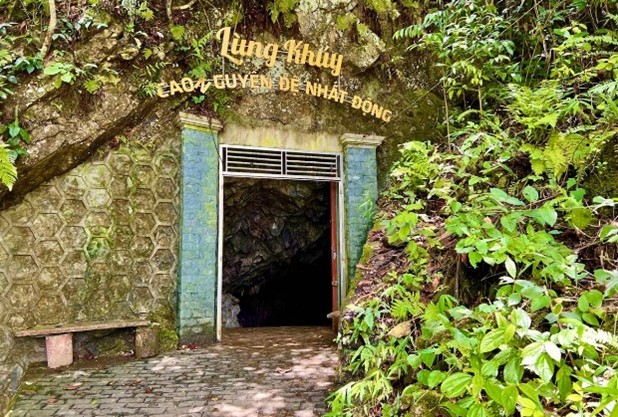
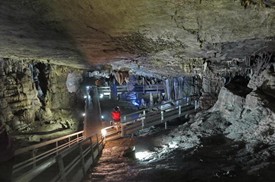
Lung Khuy Cave is one of the most impressive natural attractions near Quan Ba and a memorable stop for travellers exploring the Ha Giang Loop.
Also known as “Dragon in the Rock Crevice”, Lung Khuy Cave is located near Lung Khuy village and is known for its peaceful atmosphere, limestone formations and unspoilt natural beauty.
The cave extends for around 300 metres and contains dramatic stalactites and stalagmites formed over thousands of years.
A Hidden Natural Wonder
Unlike some of the busier attractions on the loop, Lung Khuy Cave feels calm, mysterious and tucked away from the main tourist trail.
The journey to the cave takes visitors through peaceful countryside, small villages and mountain scenery, making the journey part of the experience.
Why Visit Lung Khuy Cave?
Lung Khuy Cave is ideal for travellers who want to combine Ha Giang’s famous viewpoints with quieter natural attractions and experience a different side of the region.
Best Time to Visit
Lung Khuy Cave can be visited throughout the year. During the warmer months, its cool interior offers a refreshing break from the heat.
Misty winter days can make the surrounding mountains and countryside feel particularly peaceful and atmospheric.
The cave is ideal for photographing limestone formations, natural textures and the rural scenery surrounding Lung Khuy village.
9. Vuong Mansion
The historic H’Mong King Palace and one of Ha Giang’s most important cultural landmarks.
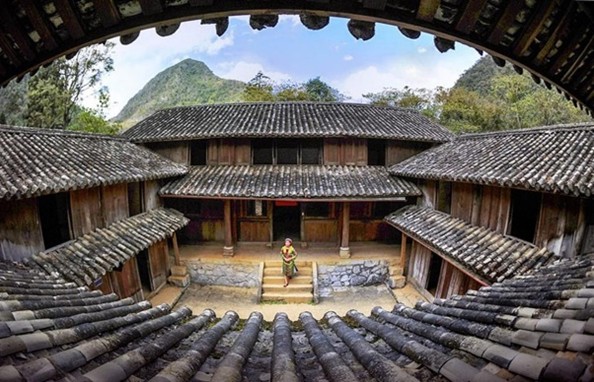
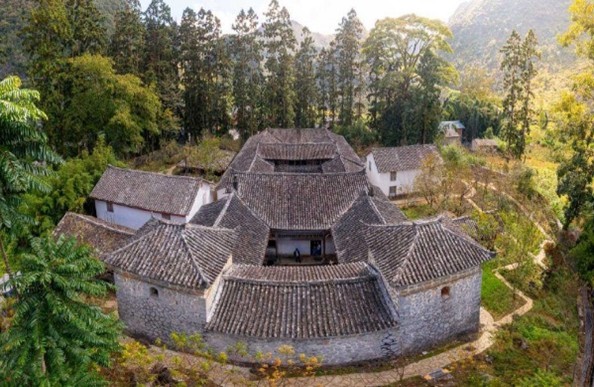
Vuong Mansion, also known as the H’Mong King Palace, is one of the most important historic attractions on the Ha Giang Loop.
Located in Sa Phin Valley in Dong Van District, the mansion once belonged to Vuong Chinh Duc, the head of a powerful H’Mong family in the region.
Surrounded by mountain scenery, the mansion gives travellers a deeper look into the history, wealth and influence of local communities in northern Vietnam.
A Historic Mountain Residence
Vuong Mansion is built from stone and wood, with courtyards, carved details and design influences that reflect the power of the family who once lived there.
The mansion is often visited as part of the journey towards Dong Van and is an important cultural stop between mountain passes and viewpoints.
Why Visit Vuong Mansion?
Vuong Mansion gives visitors a deeper understanding of Ha Giang’s history and culture, making it an important stop for travellers who want to experience more than the region’s mountain scenery.
Best Time to Visit
Vuong Mansion can be visited at any time of year. Dry weather is ideal for exploring the courtyards and surrounding area, while quieter days allow more time to appreciate the building’s details.
The best photographs include the stone entrance, wooden architecture, courtyards and the surrounding mountain valley.
10. Pao’s House
A traditional H’Mong home and one of the most cultural stops on the Ha Giang Loop.
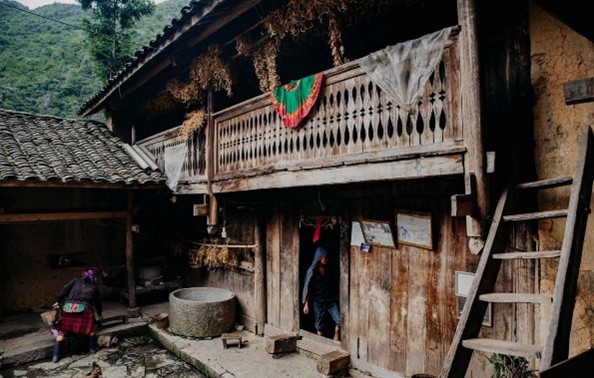
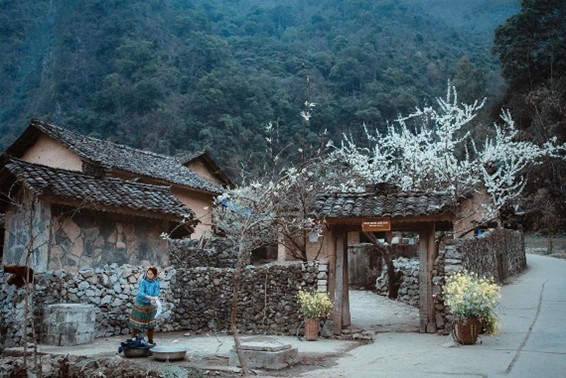
Pao’s House is a traditional home located in Lung Cam Village, Dong Van District, and is one of the most culturally interesting stops on the Ha Giang Loop.
The house became well known after appearing in the Vietnamese film The Story of Pao, but its real appeal comes from its traditional architecture, peaceful setting and connection to H’Mong culture.
For travellers interested in more than mountain views, Pao’s House offers a glimpse into local life and traditional building styles in northern Vietnam.
Traditional Architecture and Local Culture
The house reflects the traditional architecture of the H’Mong community, with stone walls, wooden details and a peaceful village setting.
Walking around the surrounding area gives travellers a better understanding of the people, customs and way of life that make Ha Giang so special.
Why Visit Pao’s House?
Pao’s House adds cultural depth to the Ha Giang Loop, offering visitors a memorable experience beyond the region’s mountain roads and viewpoints.
Best Time to Visit
Pao’s House can be visited throughout the year. Dry days are ideal for exploring the village and taking photographs, while the cooler months often create a calm and atmospheric feel.
It is a particularly good place for photographing traditional architecture, village lanes, stone walls and peaceful scenes of local life.
11. Lung Cu Flag Tower – Lô Lô Chải village.
A famous national landmark close to Vietnam’s northernmost point near the Chinese border.
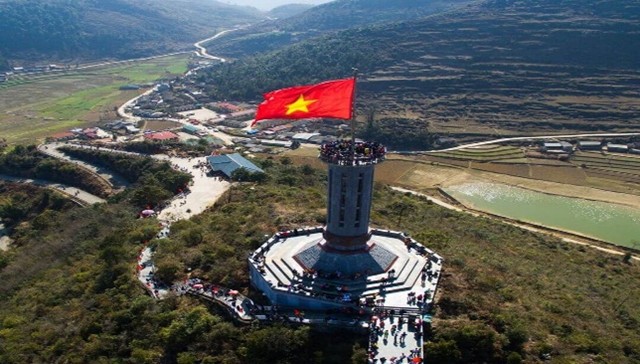
Lung Cu Flag Tower is one of the most symbolic landmarks in Ha Giang and an unforgettable stop on the Ha Giang Loop.
Located on Dragon Mountain in Lung Cu Commune, Dong Van District, the tower stands around 1,470 metres above sea level and is topped by a large Vietnamese flag.
From the top, visitors can enjoy wide views across the mountains and towards Vietnam’s border with China.
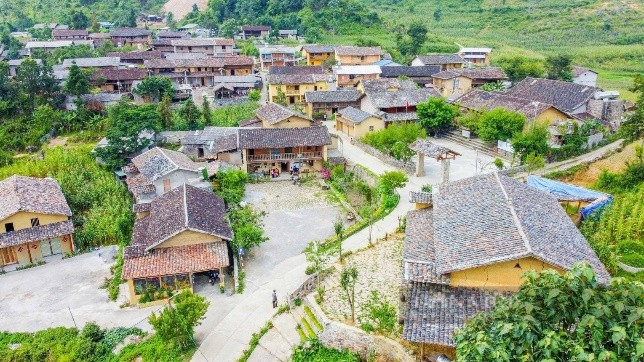
Lô Lô Chải Village is one of the most charming and authentic ethnic villages in Ha Giang and a memorable cultural stop on the Ha Giang Loop.
Located at the foot of Dragon Mountain, just below Lung Cu Flag Tower, the village is home mainly to the Lô Lô ethnic community. Surrounded by rugged mountains and peaceful valleys, Lô Lô Chải offers travellers a chance to experience a quieter and more traditional side of northern Vietnam.
A Traditional Village at Vietnam’s Northern Frontier
Walking through Lô Lô Chải, visitors can discover traditional earth-walled houses, stone fences, tiled roofs and narrow village paths. The simple architecture blends beautifully with the surrounding mountain landscape.
The village is also known for its strong local culture and traditional way of life. Depending on the visit, travellers may have the opportunity to meet local families, enjoy traditional food, visit a family-run homestay or learn more about the customs and daily life of the Lô Lô people.
A Landmark with Powerful Views
The journey to Lung Cu Flag Tower takes travellers through remote landscapes, winding mountain roads and small villages near the northern edge of Vietnam.
Reaching the tower gives visitors a strong sense of place, with sweeping views and a clear reminder of how far north the Ha Giang Loop travels.
Why Visit Lung Cu Flag Tower?
Lung Cu Flag Tower combines national importance, mountain scenery and a unique location, making it one of the most memorable cultural stops on the loop.
Why Visit Lô Lô Chải Village?
Lô Lô Chải offers a more authentic and intimate cultural experience than simply visiting the famous landmarks of Ha Giang. Its peaceful atmosphere, traditional houses and welcoming local community make it an ideal place to slow down and connect with the people and culture of the region.
Combined with Lung Cu Flag Tower, a visit to Lô Lô Chải creates a meaningful experience at Vietnam’s northernmost frontier, where spectacular mountain scenery meets the rich cultural heritage of the local ethnic communities.
Best Time to Visit
Clear days are best for visiting Lung Cu Flag Tower, when visibility across the surrounding mountains is at its finest. Early morning can also be quieter and cooler for the climb.
The tower, Vietnamese flag, mountain steps and panoramic views from the top all provide excellent photo opportunities.
Lô Lô Chải can be visited throughout the year, with clear and dry days offering the best conditions for walking around the village and enjoying the surrounding mountain scenery.
Early morning and late afternoon are particularly pleasant, when the village is quieter and the soft natural light creates beautiful conditions for photography. Visitors staying overnight in a local homestay can also experience the peaceful atmosphere of the village after the day-trippers have left.


